



The Story Behind Old Town Scottsdale: From Desert Outpost to Arizona’s Most Vibrant Destination
Walk down Main Street in Old Town Scottsdale today, and you’ll find world-class restaurants, art galleries, boutiques, and a thriving nightlife scene. But this wasn’t always the case. The story of how a small agricultural settlement in the Arizona desert became one of the Southwest’s premier destinations is a fascinating journey through vision, perseverance, and community spirit.
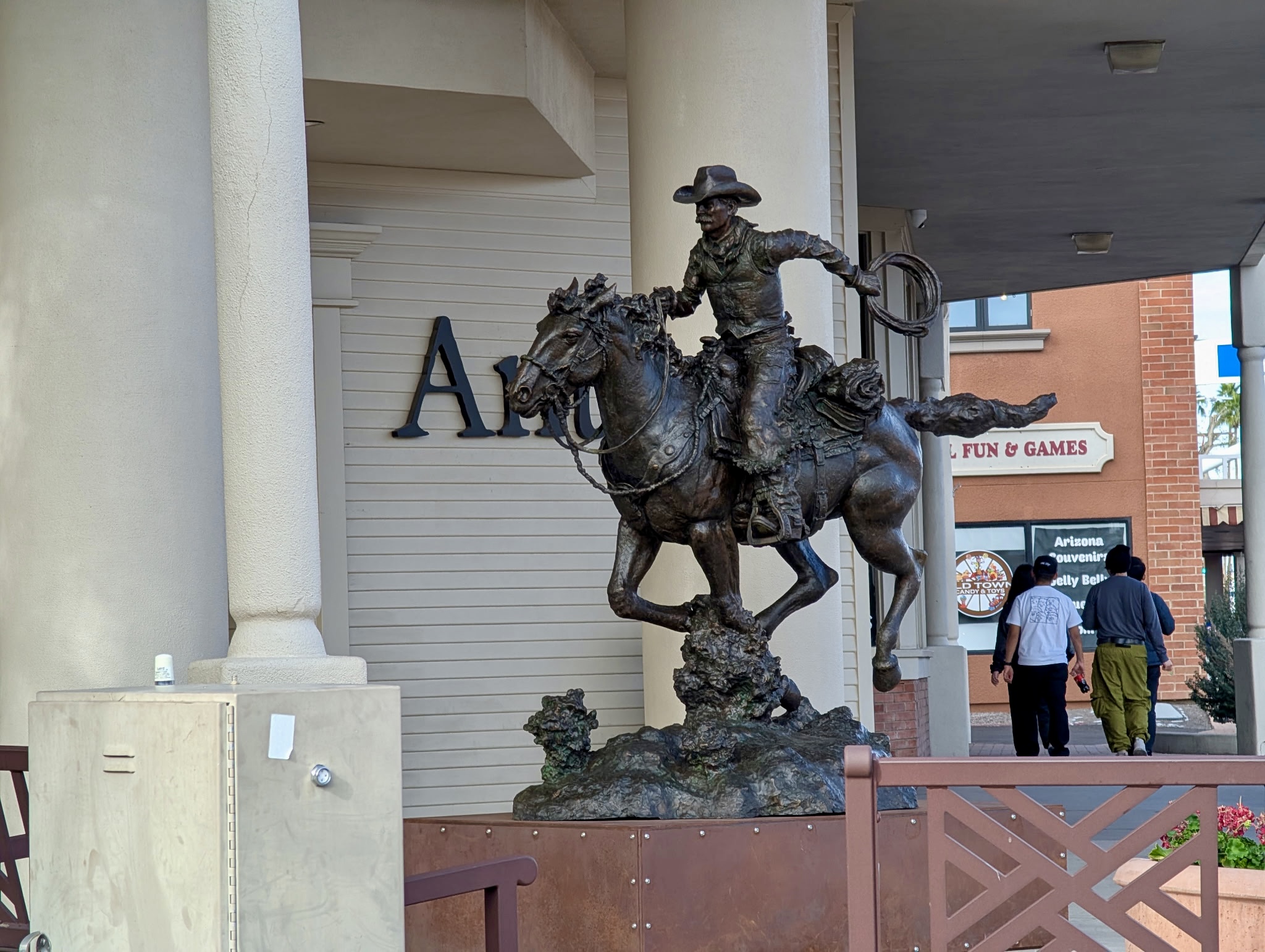
The Beginning: Winfield Scott and a Desert Dream (1888)
Old Town Scottsdale’s story begins with one man’s bold vision: U.S. Army Chaplain Winfield Scott.
In 1888, Scott visited the Salt River Valley and saw potential where others saw only desert. He purchased 640 acres of land for $2.50 per acre—a price that seemed steep for barren desert at the time. Scott believed that with irrigation from the nearby Salt River, this land could become a thriving agricultural community.
The Name: When the settlement needed a post office in 1894, residents wanted to name it “Orangedale” to reflect their citrus-growing ambitions. But the name was already taken. Instead, they honored their founder, and “Scottsdale” was born.
Fun Fact: Winfield Scott never actually lived in Scottsdale full-time. He remained an Army chaplain stationed elsewhere, but his vision and initial investment laid the foundation for everything that followed.
Early Days: An Agricultural Paradise (1890s-1940s)
The Water That Changed Everything
The key to Scottsdale’s early success was water. The completion of the Roosevelt Dam in 1911 and the Arizona Canal system transformed the desert into fertile farmland.
What They Grew: Cotton (the primary cash crop) – Citrus groves (oranges, grapefruit, lemons) – Alfalfa and other feed crops, vegetables for local markets.
By the 1920s, Scottsdale had earned the nickname “The West’s Most Western Town”, a marketing slogan that would shape its identity for decades.
A Small Town with Big Character
Early Scottsdale was tiny. In 1920, the population was just 1,000 people. But what the town lacked in size, it made up for in character:
- Wooden sidewalks lined the dusty streets
- Hitching posts for horses remained common into the 1940s
- One-room schoolhouse served all grades
- Community gatherings centered around the church and general store
- The town’s isolation (Phoenix was a rough wagon ride away) created a tight-knit community where everyone knew everyone.
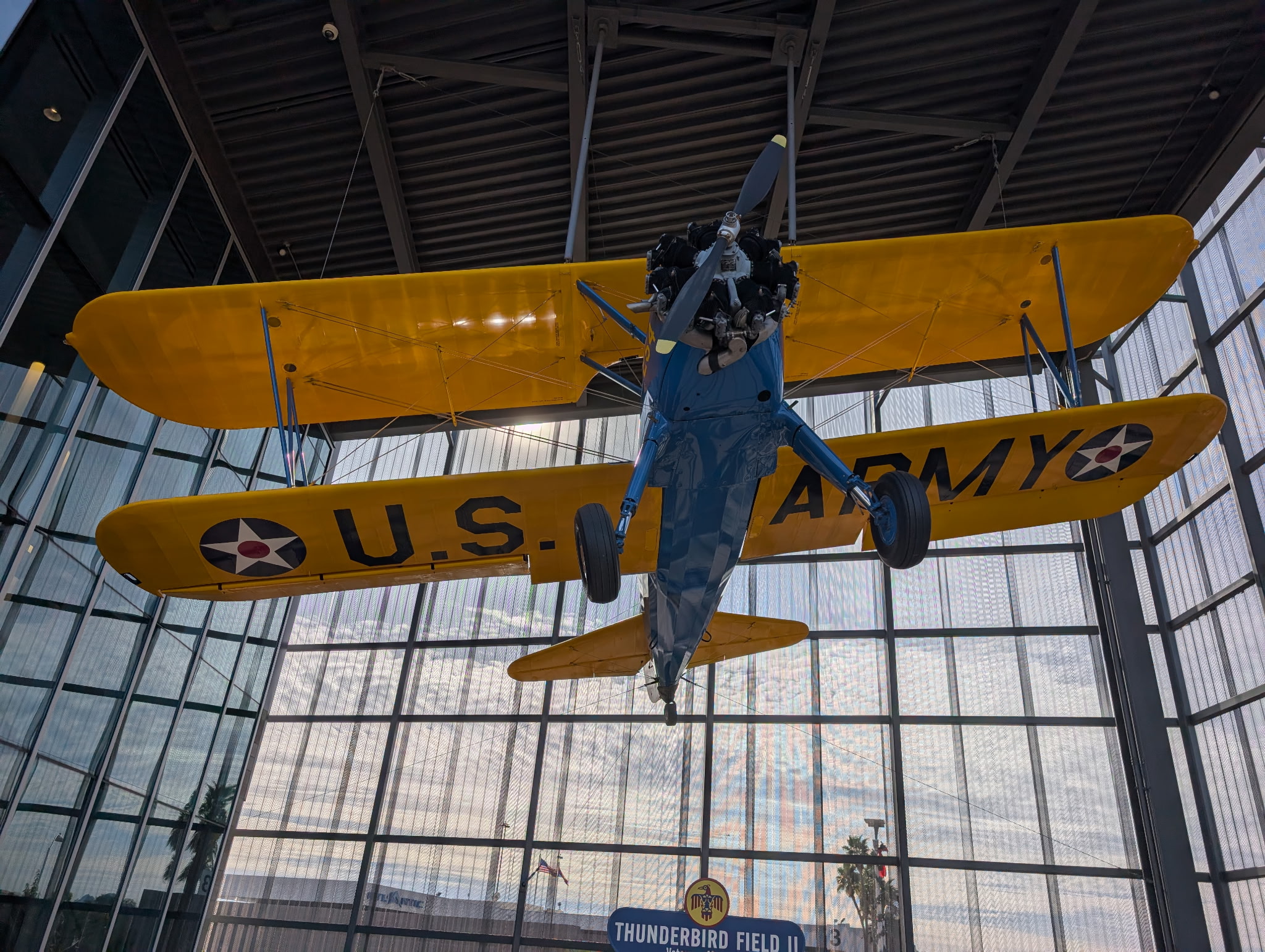
The Transformation Begins: Post-War Boom (1940s-1960s)
World War II Changes Everything
World War II brought dramatic changes to Scottsdale and the entire Valley:
- Thunderbird Field (a pilot training base) brought thousands of servicemen to the area
- Many veterans returned after the war, drawn by the climate and opportunities
- Air conditioning became more common, making desert living comfortable year-round
- The population began to explode
The Artists Arrive
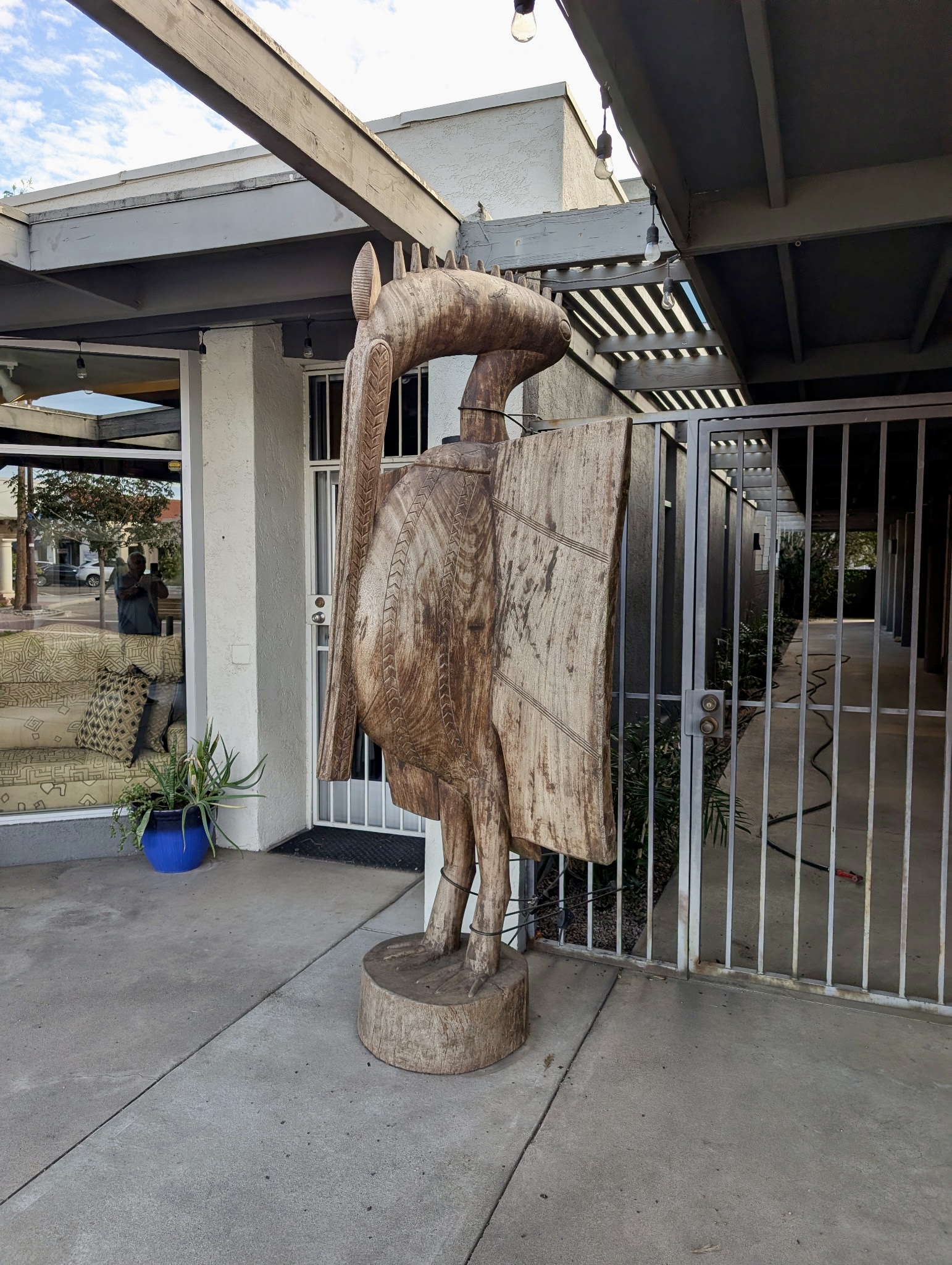
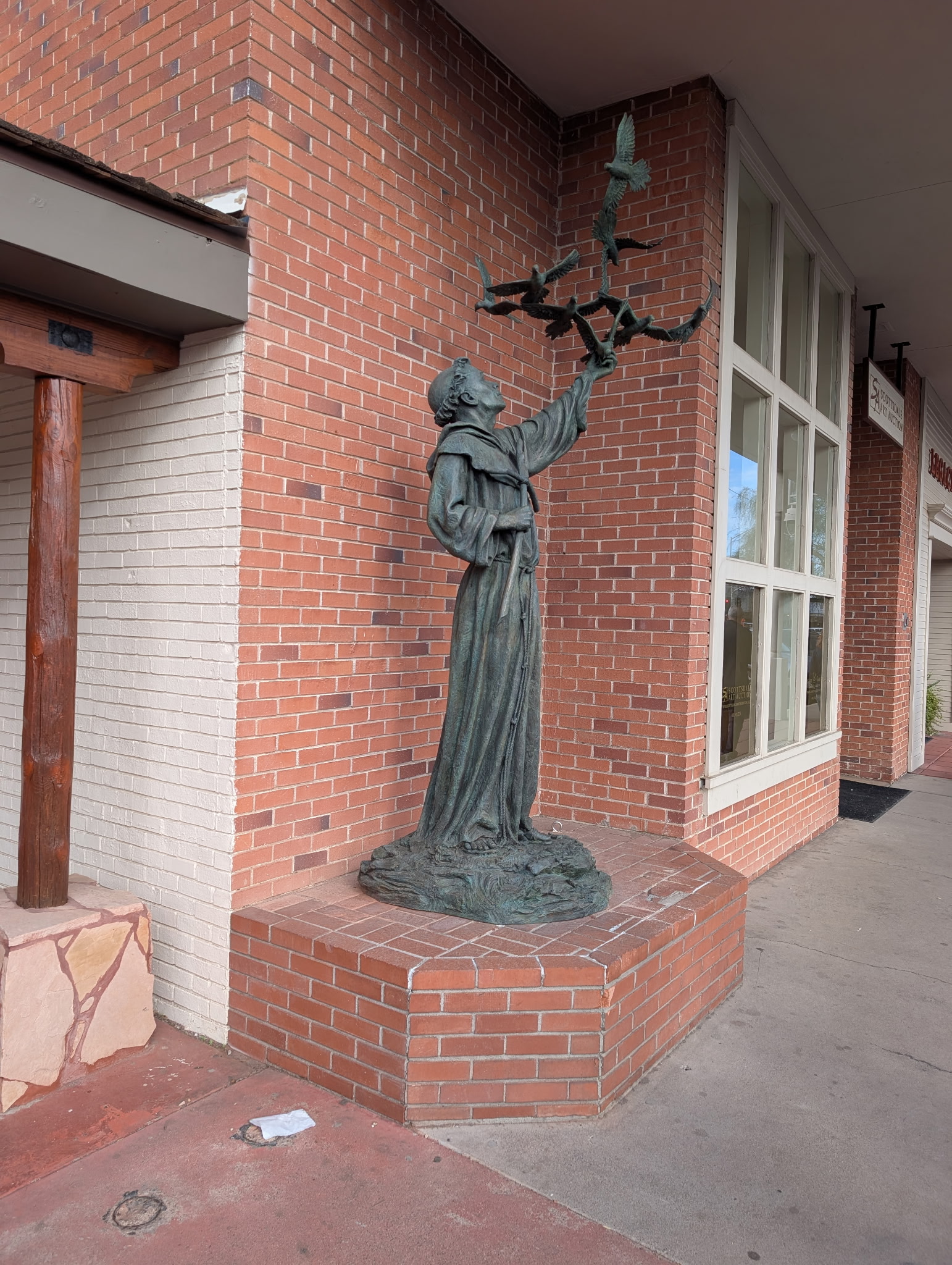
In the late 1940s and 1950s, artists discovered Scottsdale’s unique light, landscapes, and affordable living. This would prove transformative.
Key Moments: 1947: The Scottsdale Artists’ School opened – 1950s: Galleries began opening along Main Street – 1953: The Scottsdale National Indian Arts Exhibition launched (now the prestigious Heard Museum Guild Indian Fair & Market)
The combination of Western heritage and emerging arts culture created a unique identity that set Scottsdale apart from other Phoenix suburbs.
Preserving the Western Heritage
As Scottsdale grew, civic leaders made a crucial decision: preserve the town’s Western character rather than bulldoze it for modern development.
1950s Preservation Efforts: Established Western-themed architecture requirements for downtown – Maintained wooden sidewalks and hitching posts – Encouraged businesses to embrace the “West’s Most Western Town” identity – Created the Scottsdale Chamber of Commerce to promote tourism
This decision to honor the past while embracing the future became Scottsdale’s secret weapon.
The Resort Era: Luxury Comes to the Desert (1950s-1970s)
Frank Lloyd Wright’s Influence
In 1937, legendary architect Frank Lloyd Wright established Taliesin West in the Scottsdale desert as his winter home and architectural school. His presence attracted other architects, artists, and creative thinkers to the area.
Wright’s philosophy of organic architecture—buildings that harmonize with their natural surroundings—influenced Scottsdale’s development aesthetic for generations.
Resorts Transform the Landscape
Scottsdale’s climate, scenery, and emerging cultural scene attracted resort developers:
- 1956: Hotel Valley Ho opened, bringing mid-century modern glamour
- 1960s: Camelback Inn, Mountain Shadows, and other luxury resorts expanded
- 1970s: Scottsdale became synonymous with upscale desert resort living
Celebrities, politicians, and wealthy visitors discovered Scottsdale, bringing national attention and investment.
Old Town’s Renaissance (1980s-2000s)
From Decline to Revival
By the 1970s, Old Town faced challenges. Newer developments in North Scottsdale drew residents and businesses away. Downtown felt dated and neglected.
But community leaders refused to let Old Town fade.
Revitalization Efforts: – 1975: Old Town Scottsdale Association formed to advocate for downtown – 1980s: Historic preservation efforts intensified – 1990s: Major public and private investment in infrastructure and amenities, Scottsdale Waterfront development brought new energy to the area
The Arts District Flourishes
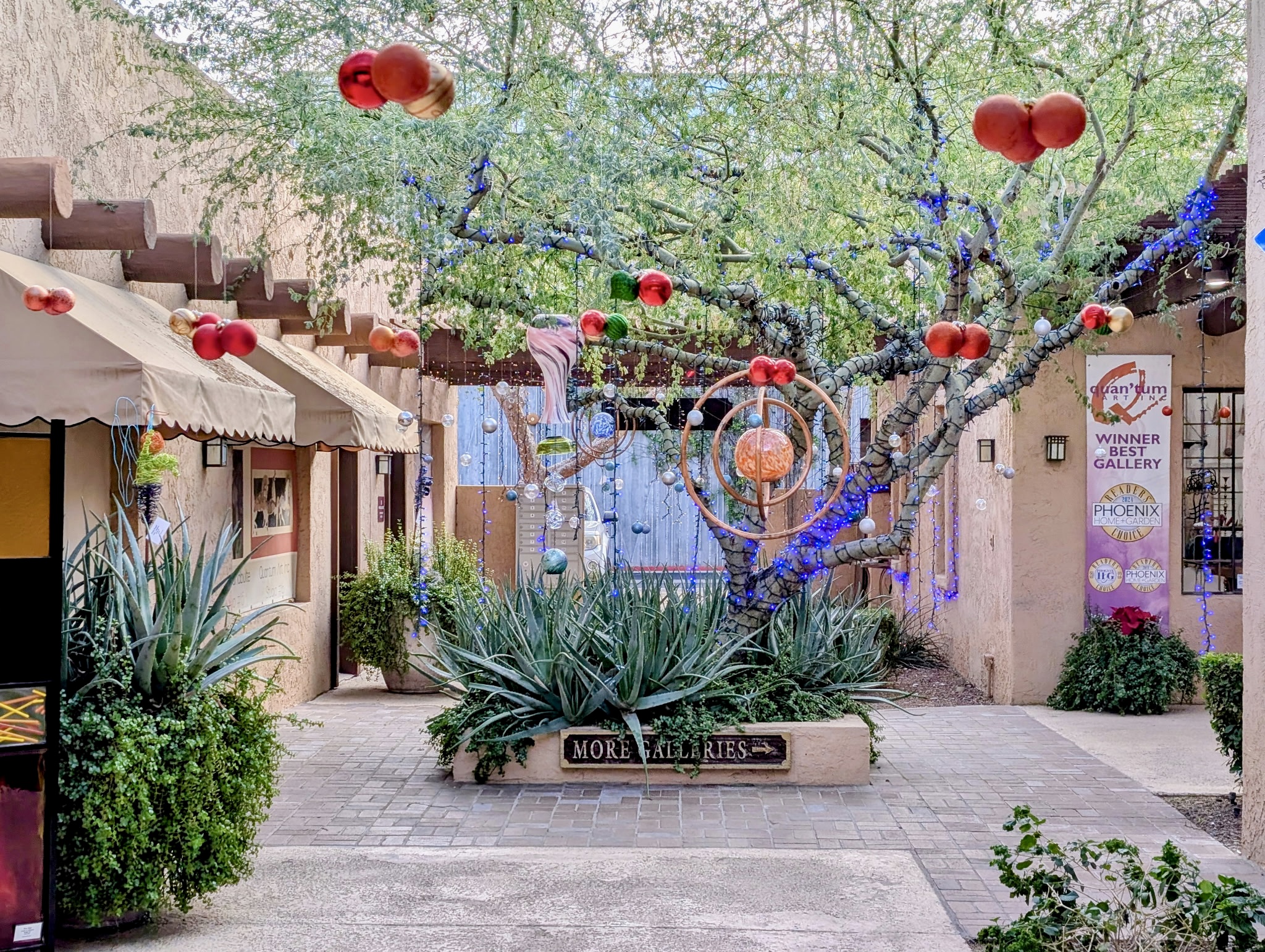
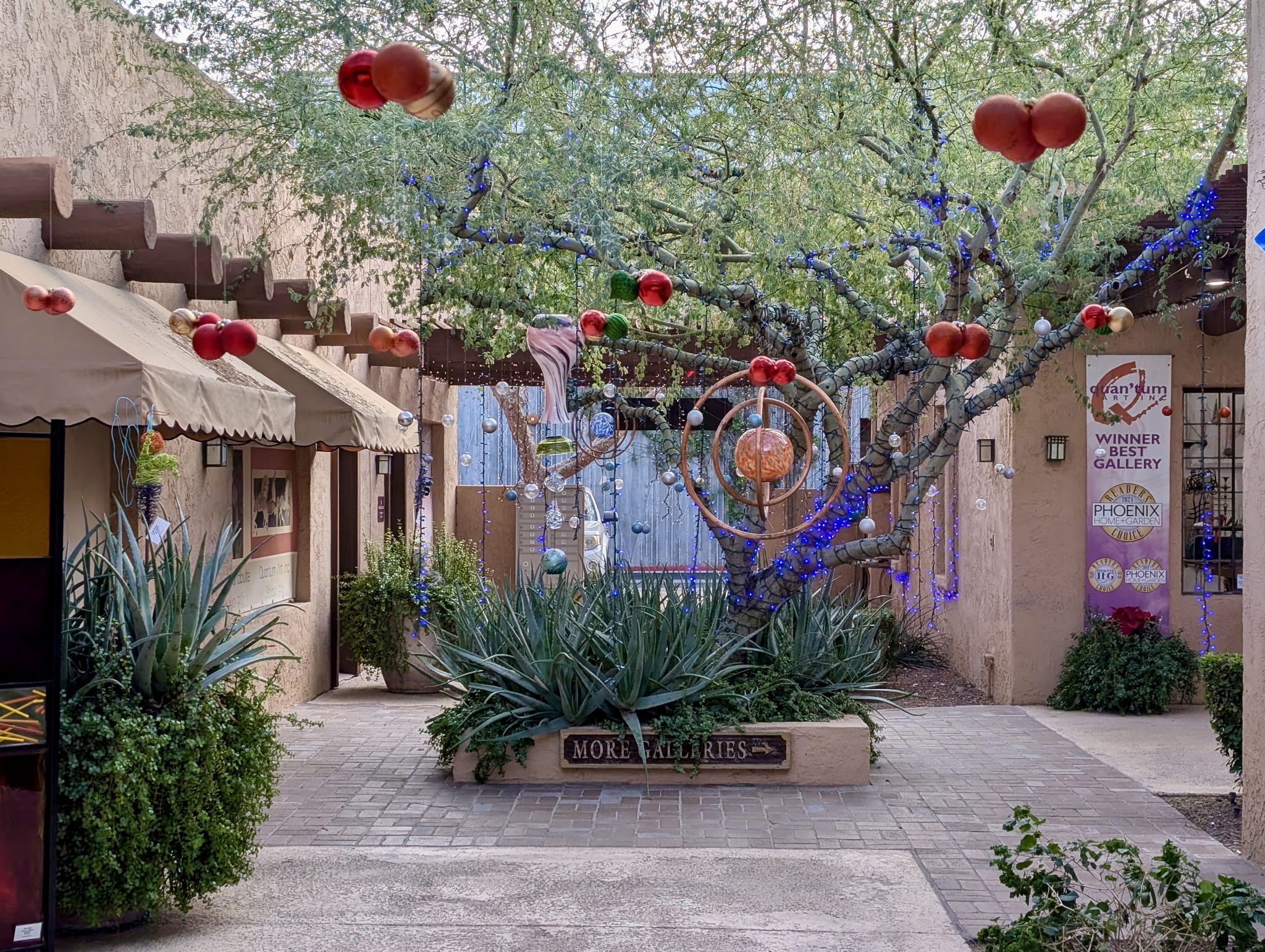
Old Town doubled down on its arts identity:
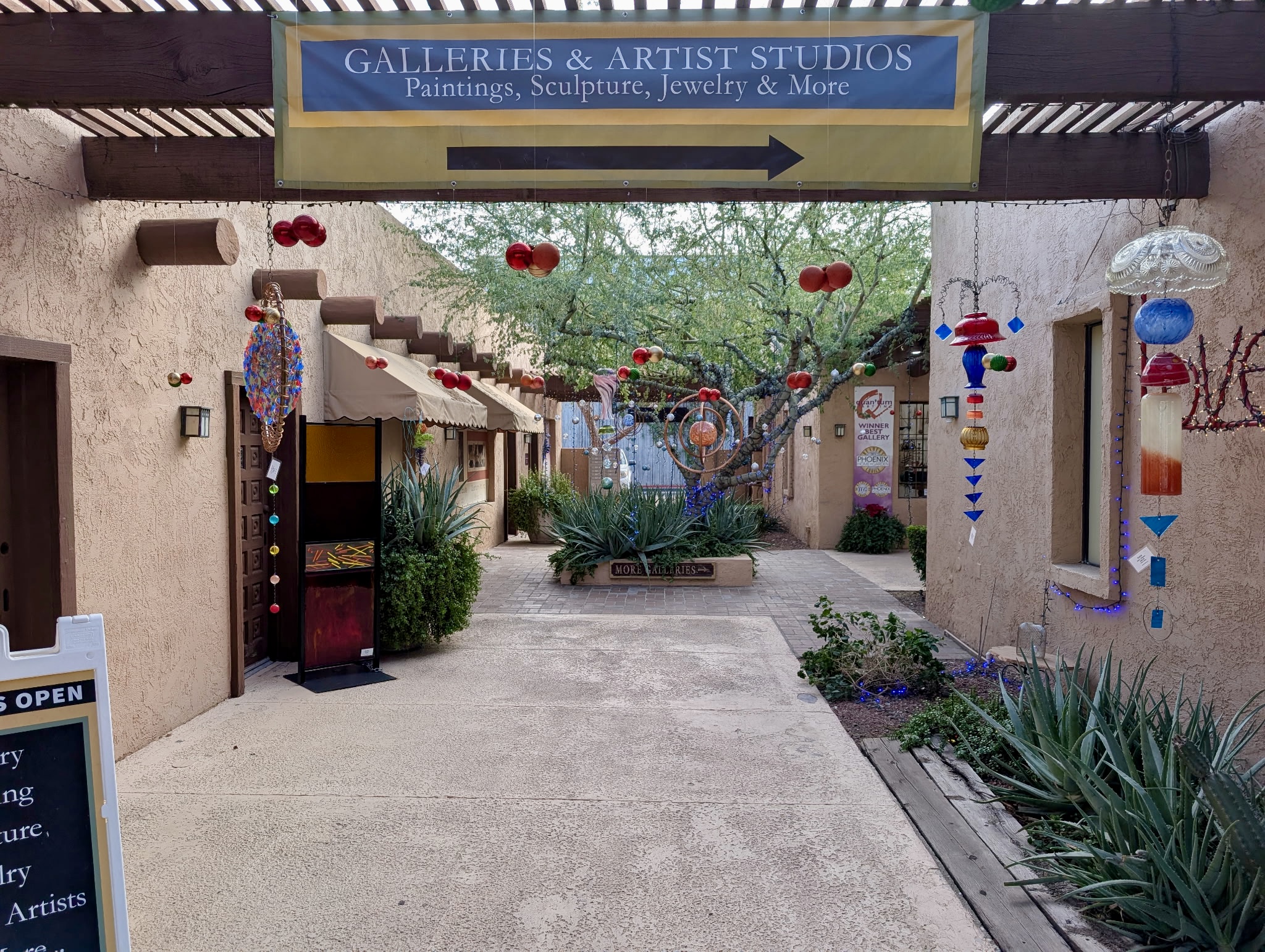
- Scottsdale Arts District became one of the nation’s premier gallery destinations
- Thursday Night ArtWalk launched, drawing thousands weekly
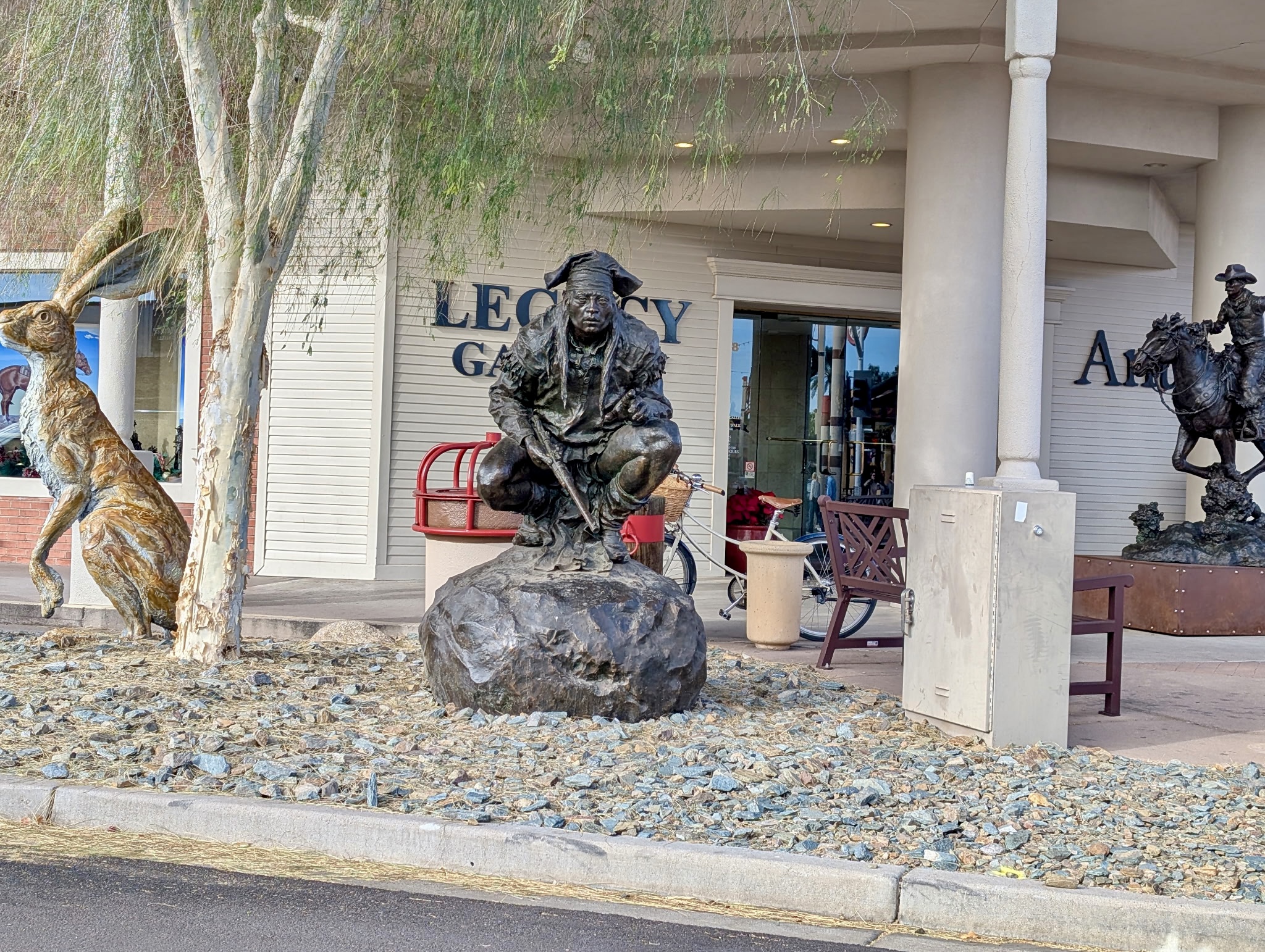
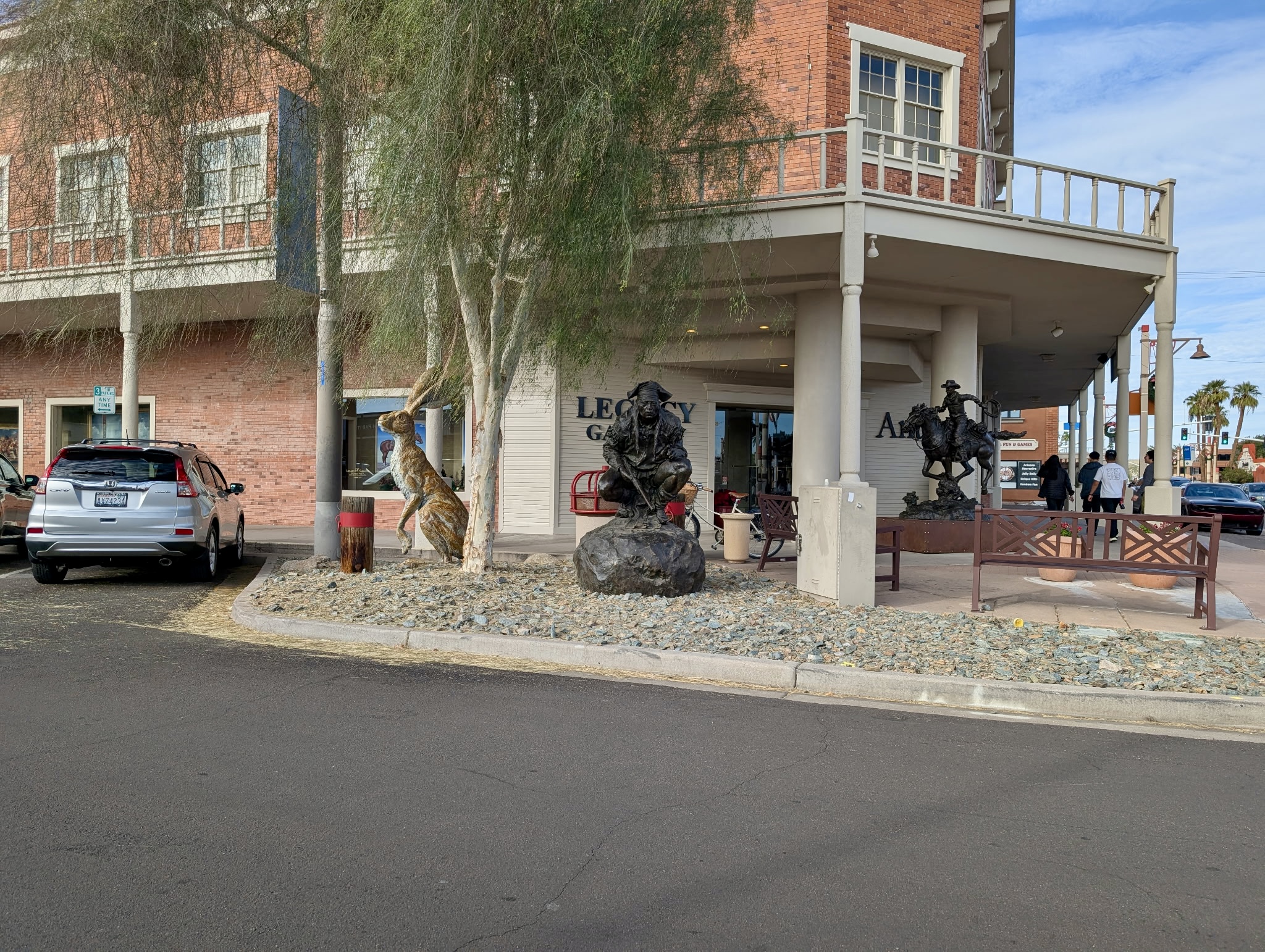
- Public art installations transformed streets and plazas
- Scottsdale Museum of Contemporary Art (SMoCA) opened in 1999
By the 2000s, Old Town had successfully reinvented itself as a cultural and entertainment destination while honoring its Western roots.
Old Town Today: Where Past Meets Present
A Unique Mix of Old and New
Modern Old Town Scottsdale is a fascinating blend:
- Western Heritage District: Preserved historic buildings – Western-themed shops and restaurants – Rustic charm meets modern amenities
- Arts District: Over 100 galleries – Contemporary art spaces – World-class exhibitions
- Entertainment District: Vibrant nightlife scene – Diverse dining options – Live music and events
- Waterfront Area: Modern development – Canal-side dining and shopping – Community gathering spaces
The Numbers Tell the Story
Today’s Old Town Scottsdale: –Attracts over 7 million visitors annually – Houses more than 100 art galleries – Features over 90 restaurants – Hosts hundreds of events yearly – Generates billions in economic impact
From 640 acres purchased for $2.50 each to one of Arizona’s most valuable real estate markets, the transformation is remarkable.
Iconic Old Town Landmarks: Then and Now
The Little Red Schoolhouse (1909)
Scottsdale’s first permanent school building still stands today, carefully preserved as a reminder of the town’s humble beginnings. It’s now a museum and community gathering space.
Scottsdale Historical Museum
Located in the historic downtown area, this museum tells the story of Scottsdale’s journey from agricultural outpost to modern city. Housed in a building that once served as the town’s first library, it’s a must-visit for history buffs.
Rusty Spur Saloon (1921)
Originally a bank, this building became Scottsdale’s most famous honky-tonk bar. It’s one of the few remaining original structures that still operates as a business, offering live music and cold drinks just as it has for decades.
Cavalliere’s Blacksmith Shop (1910)
Once the town’s essential blacksmith, this preserved building reminds visitors of Scottsdale’s agricultural and ranching heritage.
The Legacy: Lessons from Old Town’s Story
Old Town Scottsdale’s transformation offers valuable lessons:
- Honor Your Heritage Rather than erasing the past, Scottsdale embraced it. The Western theme became a unique selling point, not an embarrassment to hide.
- Adapt Without Losing Identity Old Town evolved from agriculture to arts to entertainment while maintaining its core character.
- Community Vision Matters Civic leaders, business owners, and residents worked together across generations to shape Old Town’s future.
- Invest in Public Spaces From the Scottsdale Waterfront to public art installations, investment in shared community spaces paid dividends.
- Culture is Economic Development The decision to embrace arts and culture wasn’t just aesthetic—it drove tourism, business, and prosperity.
Old Town’s Future
Today, Old Town Scottsdale continues to evolve. New developments blend with historic preservation. Young professionals move into downtown apartments while tourists explore galleries and restaurants. The challenge remains: how to grow while preserving the character that makes Old Town special.
But if history is any guide, Scottsdale has proven it can navigate change while honoring its roots.
Experience Old Town’s Story Yourself
The best way to understand Old Town Scottsdale’s story is to experience it:
- Walk Main Street and notice the mix of historic and modern buildings
- Visit the Scottsdale Historical Museum to see artifacts and photos from the early days
- Explore the Arts District to see how culture transformed the community
- Dine at historic establishments like the Rusty Spur Saloon or Los Olivos
- Attend Thursday Night ArtWalk to experience the community’s creative energy
- Check the Scottsdale Waterfront to see the newest chapter in Old Town’s evolution
Your Part in the Story
Every resident, business owner, and visitor becomes part of Old Town Scottsdale’s ongoing story. The decisions we make today—what we preserve, what we build, how we gather—will shape the next chapter.
Old Town Connection is proud to be part of this community’s story, connecting residents to the events, businesses, and culture that make Old Town Scottsdale special.
What’s your favorite part of Old Town’s history? Share your memories, stories, or favorite historic spots with our community!